A bad crankshaft position sensor most often shows up as a check engine light, hard starting, stalling, misfires, and worse fuel economy. The crankshaft position sensor, or CKP sensor, tracks the position and speed of your engine’s crankshaft. When it fails, the engine computer loses the timing data it needs, so the engine runs poorly or won’t start at all.
A failing CKP sensor can leave you stranded, so it’s smart to address the problem right away.

Quick Answers: Bad Crankshaft Position Sensor at a Glance
Here’s the short version before we get into the details. Each point below answers a question drivers ask most.
- Common warning signs: check engine light, hard starting, stalling, rough running or misfires, and reduced fuel economy.
- What the part does: the CKP sensor measures the crankshaft’s position and speed so the engine computer can time spark and fuel.
- Can you keep driving: often no, since a failed sensor can prevent the engine from starting or cause sudden stalling.
- Why it fails: heat damage, wiring or connector problems, dirt on the sensor, normal age, or a related part like a broken timing belt.
- What to do first: scan for trouble codes, usually between P0335 and P0338, then confirm before replacing.
- Repair or replace: crankshaft position sensors aren’t serviceable, so replacement is the standard fix.
What Does a Crankshaft Position Sensor Do?
A crankshaft position sensor measures the position and rotational speed of your engine’s crankshaft. The crankshaft is a rotating assembly inside the engine that connects to the pistons and connecting rods. As the pistons move up and down, the crankshaft turns that motion into the rotational force that moves your vehicle.
The sensor creates a signal by reading a toothed or notched wheel, usually on the crankshaft or harmonic balancer. For that reason, you’ll often find the sensor at the front bottom of the engine, though the exact spot varies by vehicle. Some designs mount it near the flywheel, the transmission bell housing, or the timing cover.
The engine computer, often called the powertrain control module or PCM, uses the CKP signal to calculate spark timing and, in most cases, fuel injector timing. The PCM may also lean on the signal for features like variable valve timing. On vehicles built after 1996, the module uses the CKP sensor to detect an engine misfire too.
Because the sensor feeds such core data to the PCM, a failure touches almost everything the engine does. That’s why one small part can cause such a wide range of symptoms.
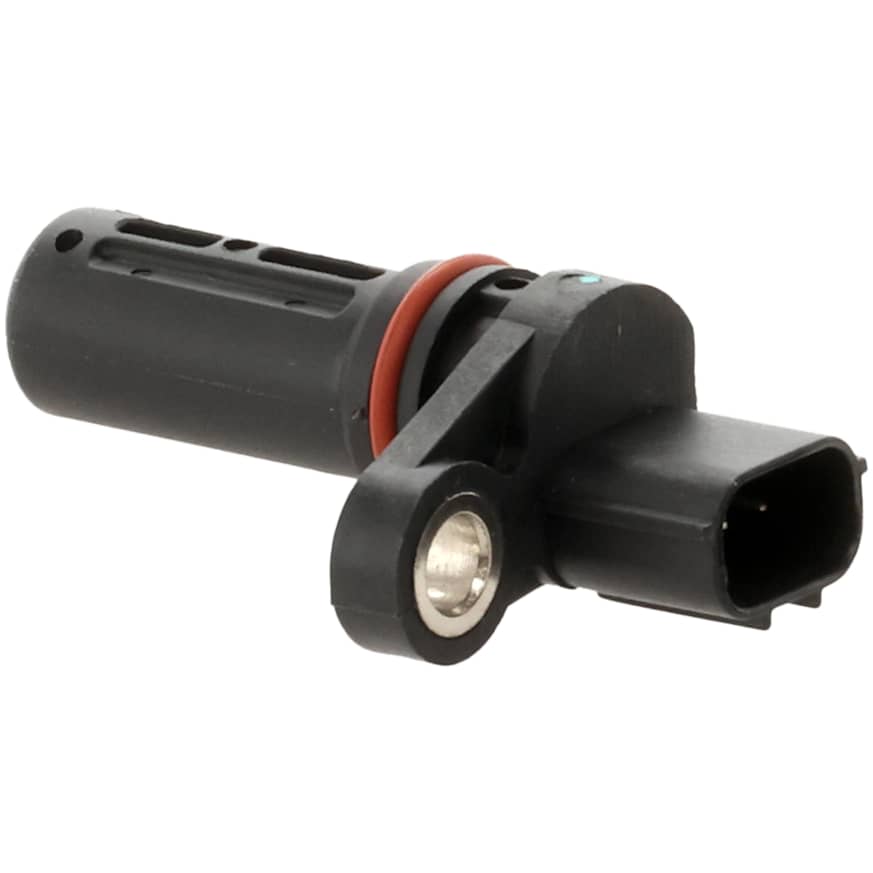
What Are the Symptoms of a Bad Crankshaft Position Sensor?
The most noticeable symptoms are a check engine light, hard starting, stalling, misfires, and reduced fuel economy. Since the CKP sensor is a primary input to the PCM, one fault can create several problems at once. Here’s what each sign looks like from the driver’s seat.
The Check Engine Light Is On
A failing crankshaft position sensor can turn on your check engine light. The PCM monitors the sensor and its circuit, so it flags a problem when the signal drops out or looks wrong. The module then stores a diagnostic trouble code, usually a P0335 circuit malfunction. The light doesn’t always appear right away, so you may notice other symptoms first.

The Engine Won’t Start
A gas engine needs spark, an air-fuel mixture, and compression to run. When the CKP sensor fails outright, the PCM doesn’t know when to fire the spark plugs or pulse the fuel injectors. The engine ends up starved of spark or fuel, so it cranks but won’t start. Once a car with a dead sensor stops, it often won’t restart until you fix the problem.
The Vehicle Hard Starts or Stalls
A weak or erratic CKP signal causes hard starting and stalling instead of a total no-start. The sensor may still work part of the time, so spark and fuel arrive unevenly. You might crank longer than usual, or the engine might quit at idle. These intermittent faults can be the trickiest to pin down.

The Engine Runs Rough or Misfires
An erratic sensor signal leads the PCM to miscalculate injector pulse and spark timing, which makes the engine run rough and misfire. You’ll usually feel this as a shake or stumble that gets worse under load. Left alone, a steady misfire can damage other parts, including the catalytic converter. A worn set of spark plugs can produce similar symptoms, so it helps to rule those out.
Reduced Fuel Economy
An engine that runs rough and misfires from a bad CKP sensor burns fuel less efficiently. A faulty sensor can also keep fuel-saving systems, like variable valve timing and cylinder deactivation, from working right. The result is more trips to the pump for the same driving. A drop in mileage rarely points to the sensor alone, so treat it as one clue among several.

What Causes a Crankshaft Position Sensor to Fail?
Crankshaft position sensors fail for a few common reasons, and heat is near the top of the list. The housing on many sensors is plastic, so an overheated engine or harsh conditions can melt or crack it. That exposes the internals to dirt, oil, and moisture.
Wiring and connector trouble is another frequent cause. Loose, worn, or damaged wiring can break the signal path between the sensor and the PCM, and a corroded connector does the same. Because misfire symptoms overlap, it’s worth checking nearby parts like the ignition coil as well. On sensors that use a magnet, a buildup of metal debris on the tip can block accurate readings. Age plays a role too, since a sensor’s magnet can weaken over many miles.
Sometimes the sensor itself is fine and a related part is the real culprit. A broken timing belt or a damaged reluctor wheel can send mixed signals that mimic a bad sensor. Checking the root cause first can save you from replacing a part that wasn’t the problem.
Can You Drive With a Bad Crankshaft Position Sensor?
Driving with a bad crankshaft position sensor isn’t safe or reliable, and often isn’t possible. In many cases the fault keeps the engine from starting, so you won’t be going anywhere until it’s fixed. When the engine does run, the sensor may push it into limp mode to limit damage.
Even intermittent problems deserve fast attention. Sudden stalling in traffic or at speed is dangerous, and hard starting can leave you stuck far from home. Treating this as an urgent fix protects both you and the engine.
How Do You Diagnose a Bad Crankshaft Position Sensor?
Start with the cheapest, lowest-risk check and work up from there. A few simple steps confirm the sensor before you spend money on parts.
First, scan for trouble codes. A check engine light means codes are stored, and CKP faults usually land between P0335 and P0338. Read them with a scan tool, and note any related misfire, timing, or injector codes that point elsewhere.
Second, inspect the sensor and its connector. Look for a cracked or burnt housing, plus dirt, oil, or debris on the tip. Check that the connector is tight and clean inside, since a loose or corroded plug is an easy fix.
Third, test the sensor with a multimeter set to ohms, or watch its signal on a scan tool while the engine cranks. Readings that stay at zero or don’t change usually mean the sensor has failed. An oscilloscope gives an even clearer picture of the signal if you have one.
Safety note: if you raise the vehicle to reach the sensor, use jack stands on level ground and keep hands clear of belts and hot parts. Never work under a car held up by a jack alone.
Should You Repair or Replace the Crankshaft Position Sensor?
Crankshaft position sensors aren’t serviceable, so replacement is the standard fix once one goes bad. The good news is that replacing the sensor is usually a straightforward job. You locate the sensor, unplug the connector, remove a bolt or two, and install the new part.
Match the fix to the cause. If the connector is corroded, clean or repair it and retest before condemning the sensor. If a broken timing belt or damaged reluctor wheel caused the fault, fix that root problem so the new sensor reads correctly. A quality replacement sensor restores accurate timing and smooths out how the engine runs.
Aftermarket crankshaft position sensors are a great value and can perform right alongside the original part. Choosing a well-made unit gets your engine back to reliable starting and steady idling.
When Should You Get Professional Help?
Call in a professional if the symptoms come and go or you’re unsure about the diagnosis. Intermittent faults are hard to catch, and a wrong guess wastes time and money. A shop can confirm the sensor with the right tools before any parts go in.
If you’re a confident DIYer, replacing a crankshaft position sensor isn’t a major repair. Basic hand tools and a quality replacement part are usually all it takes to get the job done.
Crankshaft Position Sensor FAQs
Driving with a bad crankshaft position sensor isn’t reliable, and you may not get far at all. The sensor can cause sudden stalling or a no-start, so treat repairs as urgent rather than optional.
A crankshaft position sensor tracks the position and speed of the engine’s crankshaft. The engine computer uses that data to time spark and fuel, so the sensor is central to how the engine runs.
A bad crankshaft position sensor usually sets a code between P0335 and P0338. These codes point to the sensor or its circuit, though related misfire and timing codes can appear too.
A bad crankshaft position sensor can cause a misfire. An erratic signal leads the computer to mistime spark and fuel, which shows up as a shake or stumble that often worsens under load.
A crankshaft position sensor fails most often from heat damage, wiring or connector faults, dirt on the tip, or normal age. A broken timing belt or damaged reluctor wheel can also mimic sensor failure.
A car generally won’t run properly without a working crankshaft position sensor. The engine may refuse to start, run rough, or stall, since the computer loses the timing data it depends on.
Replacing a crankshaft position sensor is usually a manageable job for a capable DIYer. You unplug the connector, remove a bolt or two, and install the new sensor, though access can be tight on some engines.
A crankshaft position sensor and a camshaft position sensor track different rotating parts, but their symptoms overlap. Both can cause hard starting and misfires, so learning the camshaft sensor symptoms helps you tell which sensor is at fault.
Check the trouble codes, the sensor housing, and the wiring connector before replacing anything. Ruling out a loose plug or a related fault can save you the cost of an unnecessary part.
Get Your Engine Running Right Again
A failing crankshaft position sensor is frustrating, but the fix is well within reach. Once you’ve confirmed the sensor is the culprit, a fresh unit restores steady starting and smooth performance.
You can find the right crankshaft position sensor for your vehicle at CarParts.com in minutes. Enter your car’s details, filter by fitment, and order a part that ships straight to your door.
Shop this Project
-
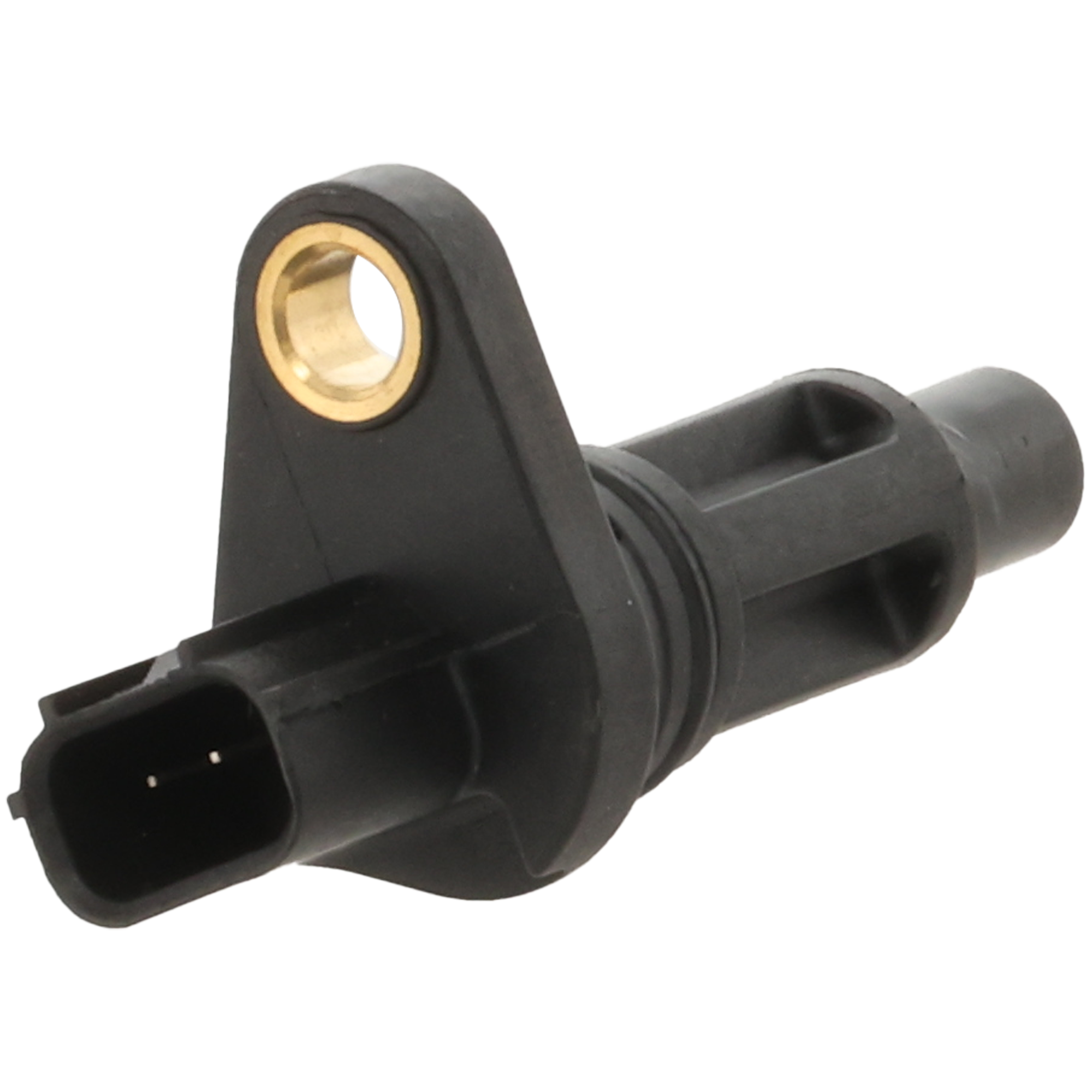
Replacement – Crankshaft Position Sensor

$16.99
Price and rating may change from the time content is published.
-
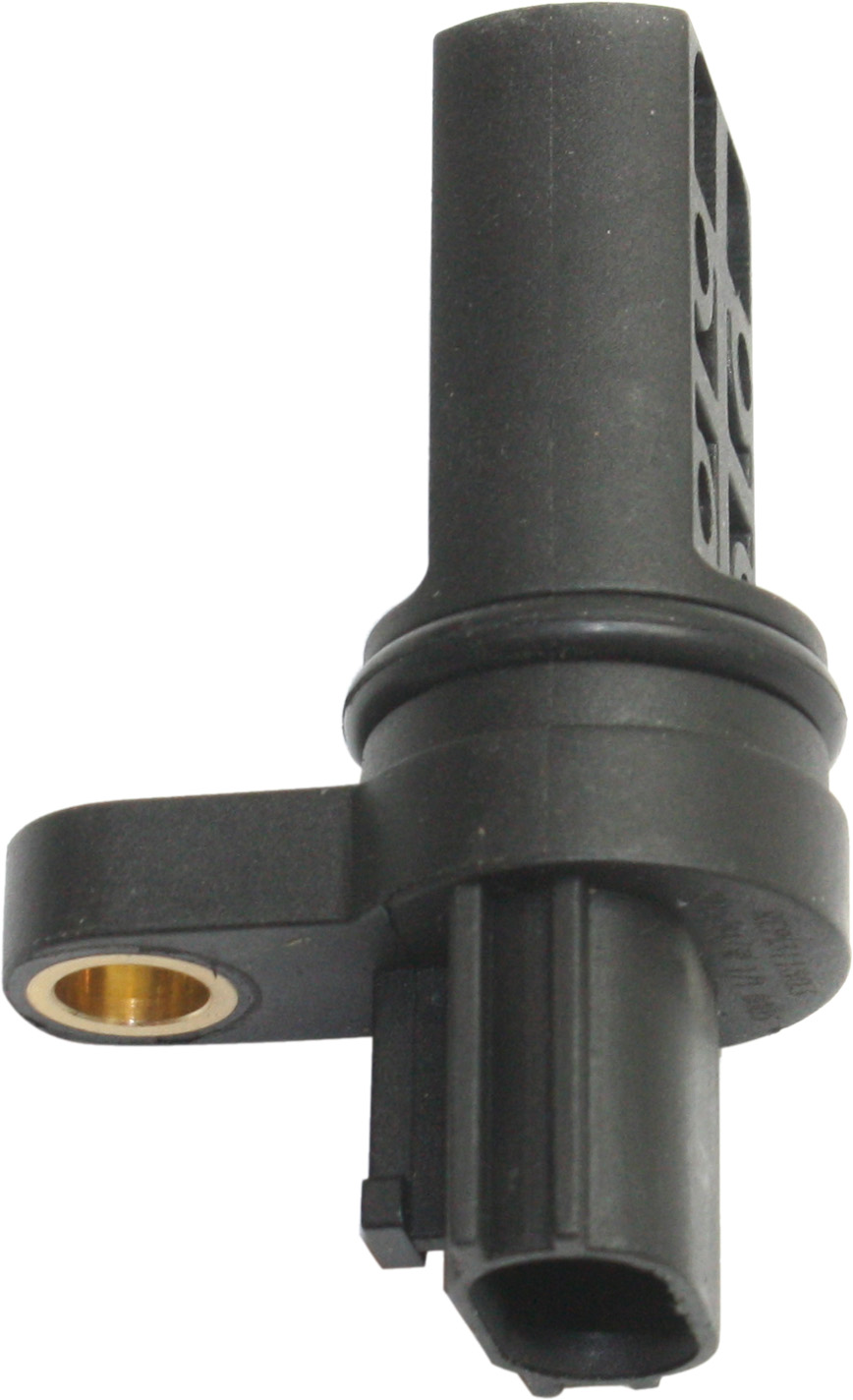
Replacement – Crankshaft Position Sensor
$14.99
Price and rating may change from the time content is published.
-
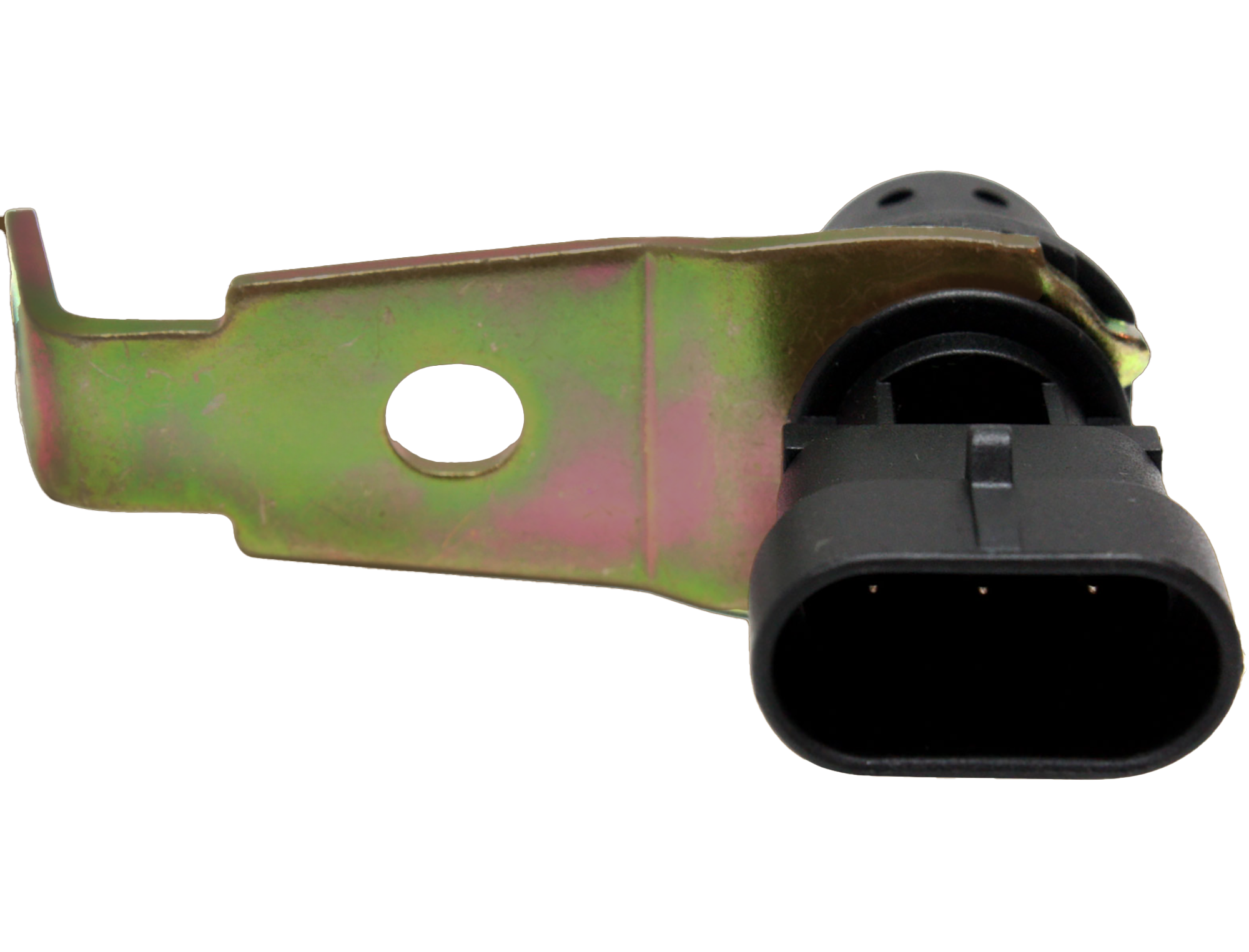
Replacement – Crankshaft Position Sensor
$10.99
Price and rating may change from the time content is published.
Keep Reading: Related Posts





Any information provided on this Website is for informational purposes only and is not intended to replace consultation with a professional mechanic. The accuracy and timeliness of the information may change from the time of publication.